Medical Cupping Therapy and Chronic Diseases: Scientific Evidence and Therapeutic Mechanisms
Introduction:
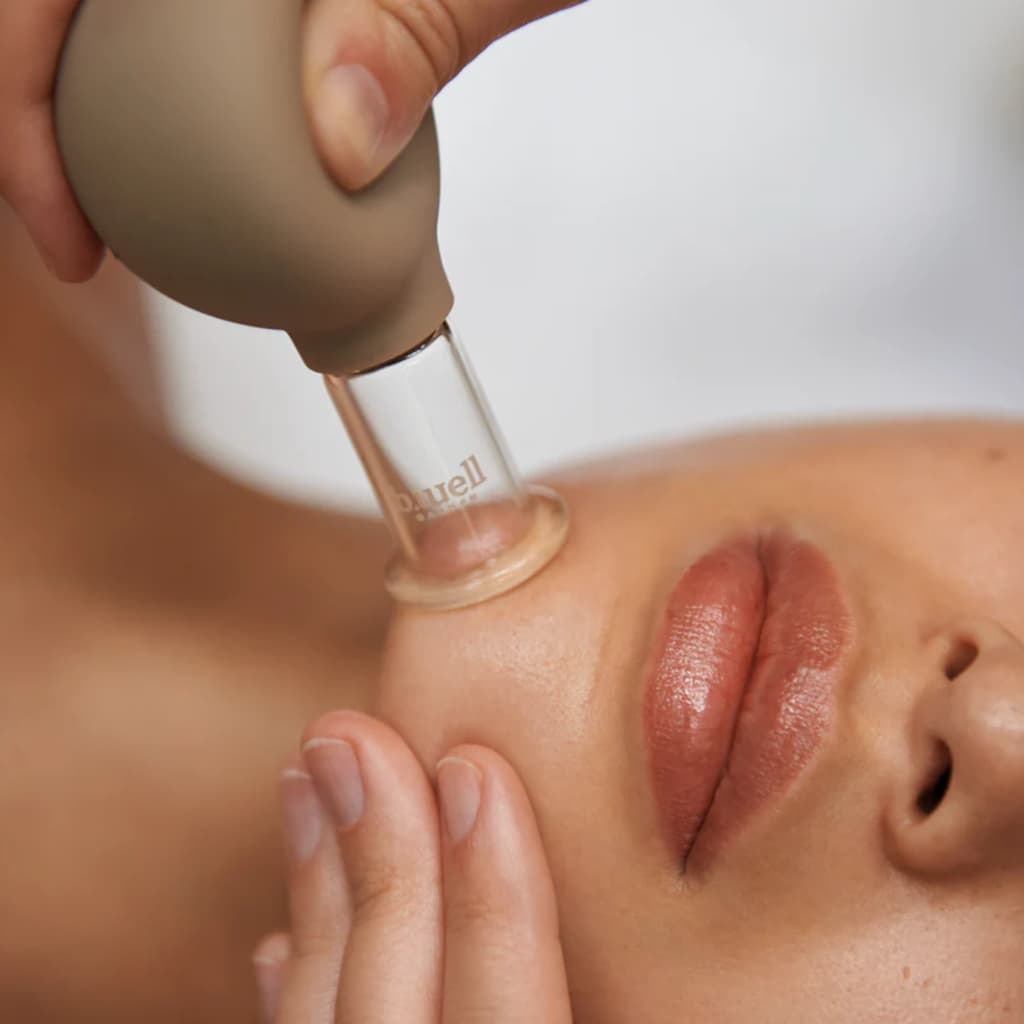
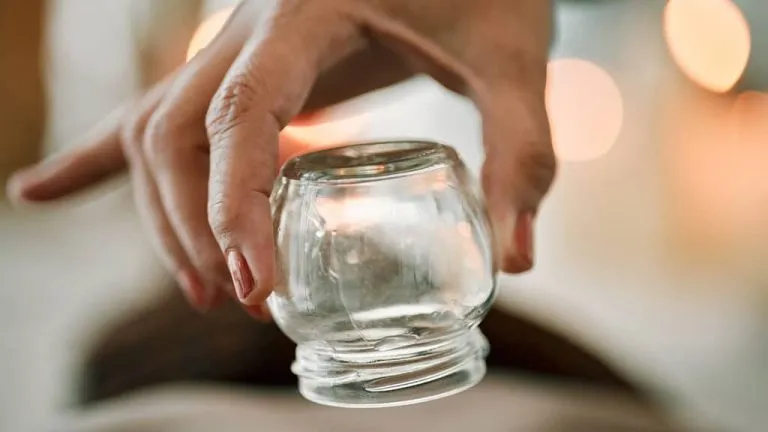
Cupping therapy is an ancient traditional medical practice that has been used across various cultures for centuries. It involves placing cups on the skin to create suction, which is believed to draw out stagnant blood and harmful residues from the body’s surface. This article reviews current scientific evidence regarding the use of medical cupping in treating certain chronic diseases.
Mechanisms of Action of Cupping Therapy
Cupping is believed to work through several potential mechanisms, including:
- Improving blood circulation: The suction created by the cups may increase blood flow to the treated area, promoting healing and reducing inflammation.
- Detoxification: Cupping is believed to help remove toxins and harmful residues by drawing them toward the skin’s surface.
- Immune system modulation: It may influence immune responses, which could be beneficial in chronic inflammatory or autoimmune conditions.
- Pain relief: Cupping may help reduce pain by stimulating the release of the body’s natural pain-relieving chemicals.
Scientific Evidence on Cupping for Chronic Diseases
An increasing number of studies have investigated the effectiveness of cupping therapy in various chronic conditions. Some of the conditions studied include:
Safety and Precautions
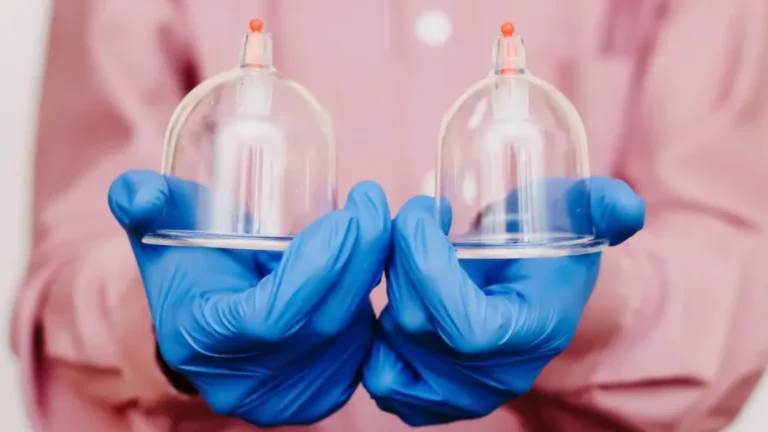
Cupping is generally considered safe when performed correctly by a trained practitioner. However, possible side effects include bruising, mild pain, and infection. It is important to ensure that sterile, single-use cups are used and proper safety procedures are followed to minimize infection risk. Individuals with certain medical conditions, such as bleeding disorders or pregnancy, should avoid cupping or consult a physician before treatment.
Conclusion
Although there is growing scientific evidence suggesting that cupping therapy may be beneficial in managing certain chronic diseases, more high-quality research is still needed to confirm these findings and establish standardized protocols. Cupping should not be considered a replacement for conventional medical treatments but may serve as a complementary therapy under medical supervision. It is essential to consult a healthcare professional before undergoing cupping to discuss potential risks and benefits.