A Fresh Look at Gout: More Than Just Big Toe Pain
Gout is a common yet complex form of arthritis — but it's far more than just sharp pain in the big toe. It significantly impacts quality of life, characterized by sudden and intense episodes of pain, swelling, and redness across various joints. A patient may wake in the middle of the night to unbearable heat and pain in the affected joint, where even the weight of a sheet feels heavy. Although symptoms may come and go, understanding how to manage and prevent flare-ups remains an ongoing challenge.
Gout Symptoms: The Body's Painful Language
Gout symptoms appear suddenly, often at night, and include:
- Intense joint pain: Although gout most commonly affects the big toe joint, it can strike any joint — ankles, knees, elbows, wrists, and fingers. Pain typically peaks within the first 4–12 hours.
- Lingering discomfort: Even after acute pain subsides, discomfort may persist for days or weeks, and more joints become affected with repeated flare-ups.
- Inflammation and redness: The affected joint becomes swollen, tender to the touch, warm, and visibly red.
- Limited range of motion: As gout progresses, moving the affected joint normally becomes difficult.
Cupping and Kidney Function: A New Window for Uric Acid Elimination
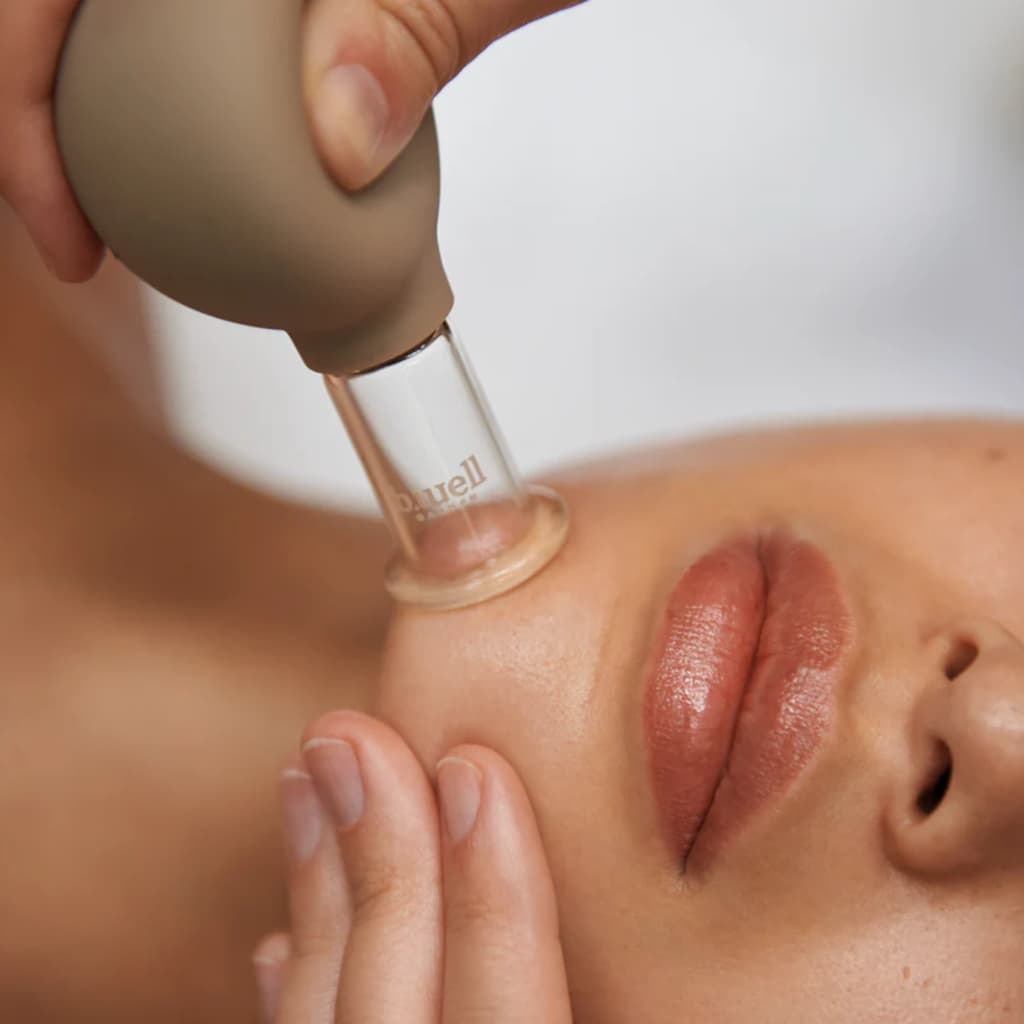
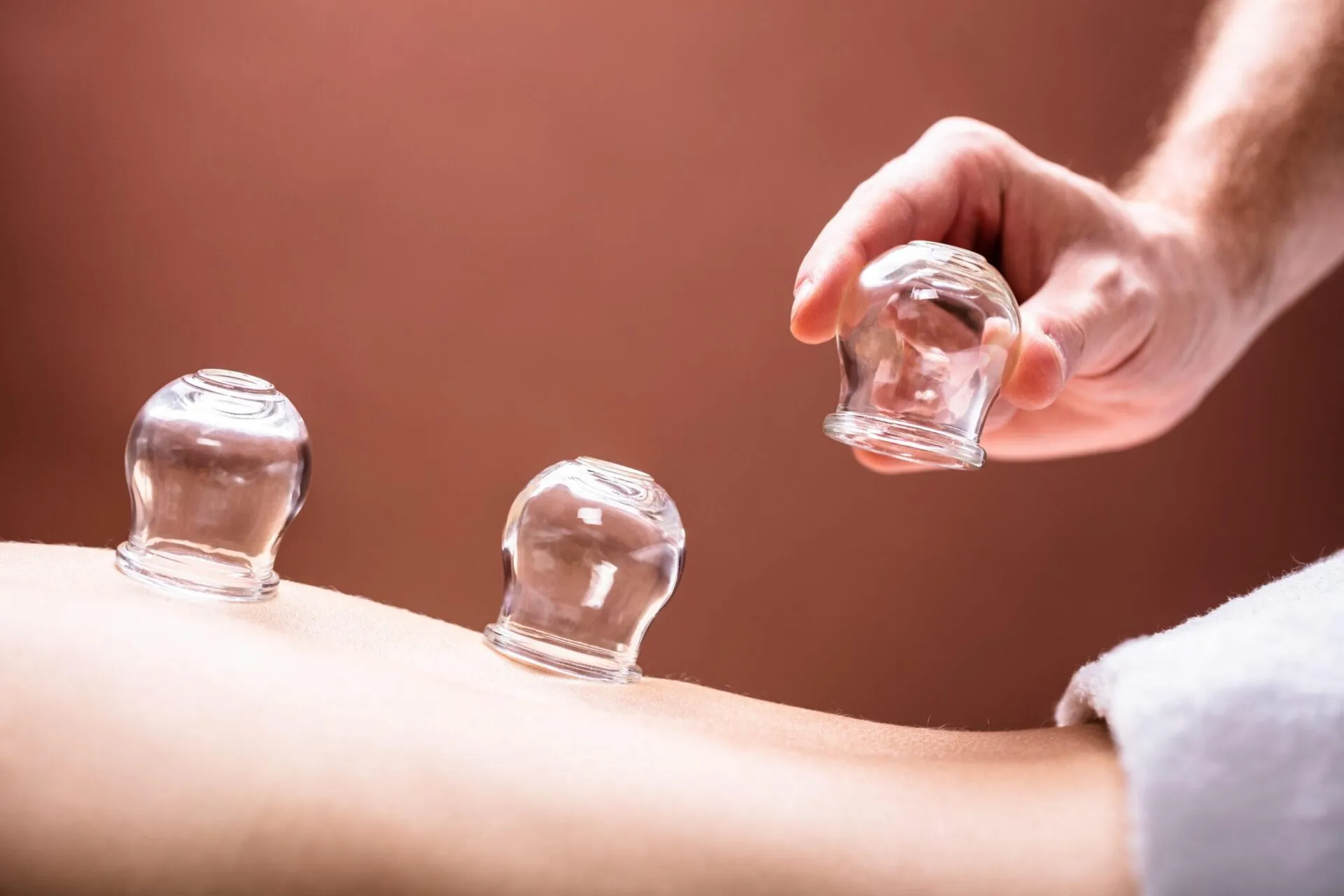
Scientific studies link cupping therapy to improved glomerular filtration capacity, enhancing the kidneys' ability to filter blood and excrete excess uric acid through urine. This is achieved by stimulating circulation and increasing blood flow to the kidneys, boosting their capacity to clear the acid responsible for gout.
Pain and Inflammation Relief: Cupping's Dual Mechanism
Cupping therapy offers an effective means of relieving gout flare-up pain and reducing swelling and inflammation in the affected joint. This is attributed to the gate control theory of pain, whereby cupping stimulates sensory nerves and reduces pain signals sent to the brain. It also increases endorphin secretion — the body's natural painkiller.
Muscle Relaxation and Improved Mobility: Cupping's Deep Effect
Cupping relaxes the muscles surrounding the affected joint by increasing nitric oxide release. This compound dilates blood vessels and improves blood flow to muscles, leading to greater range of motion, reduced stiffness, and improved quality of life for patients.
Cupping as Integrative Therapy: A Holistic View of Gout Management
While cupping shows promising potential in gout treatment, it should be viewed as an integrative therapy that supports — not replaces — conventional medical treatments. Patients should continue consulting their physicians and following prescribed treatment plans, with cupping added as a complementary element under specialized medical supervision.
Conclusion
Cupping therapy offers a unique and promising perspective in managing gout. Through its potential effects on kidney function, pain and inflammation reduction, and muscle relaxation, cupping can contribute to symptom improvement and better quality of life. Thoughtful integration with conventional treatments and individual case assessment remains the cornerstone of achieving the best outcomes.